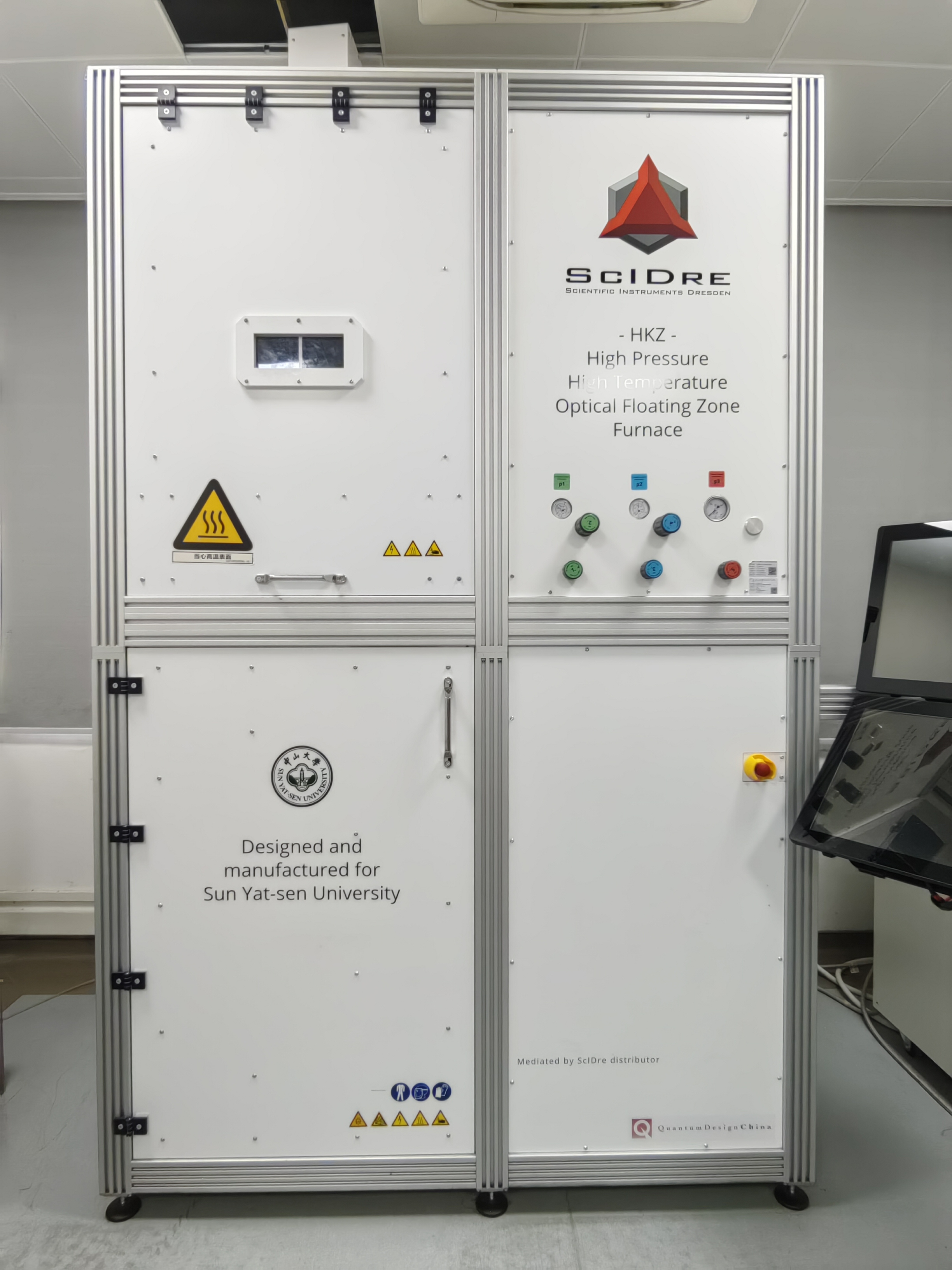
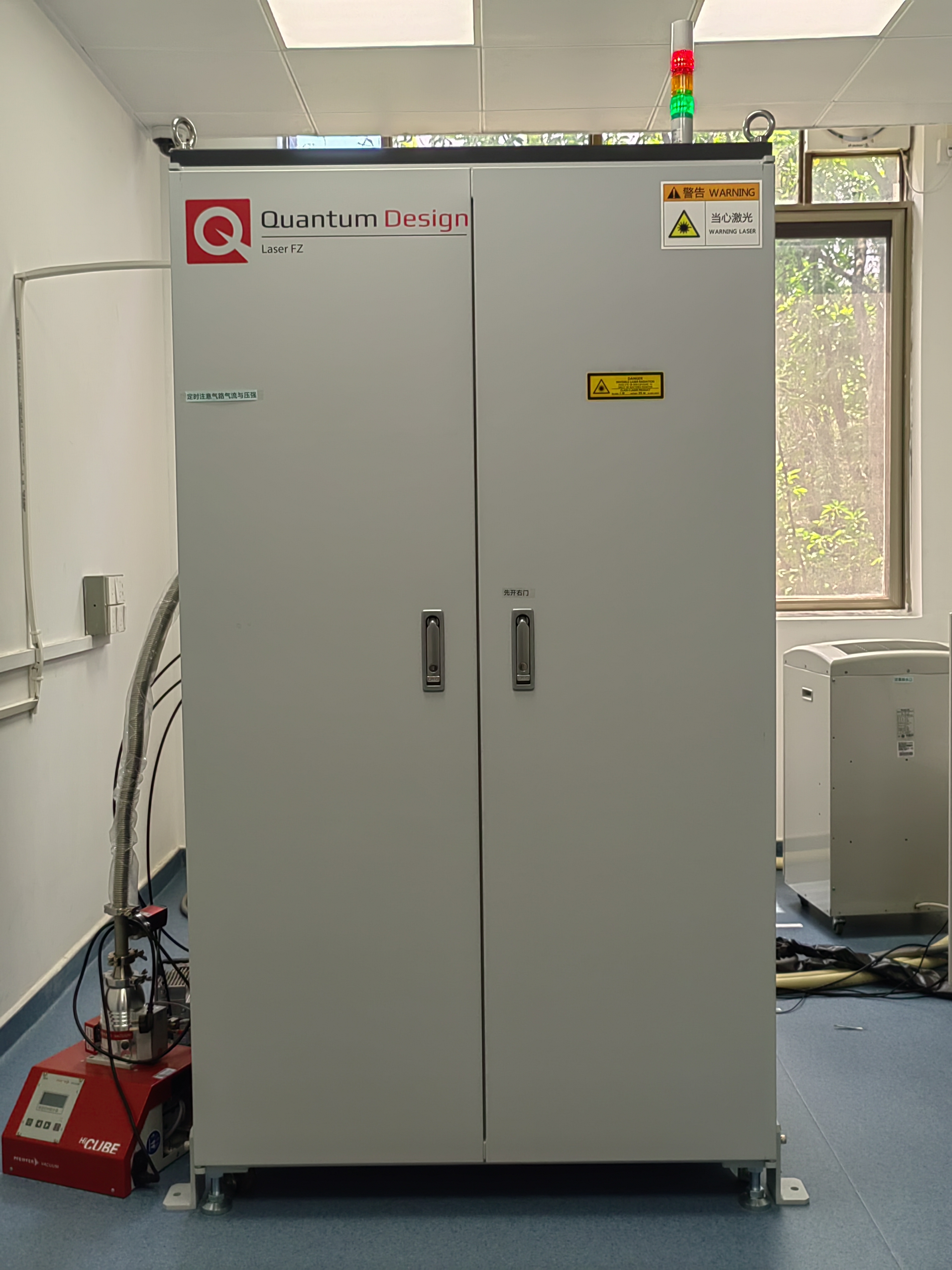
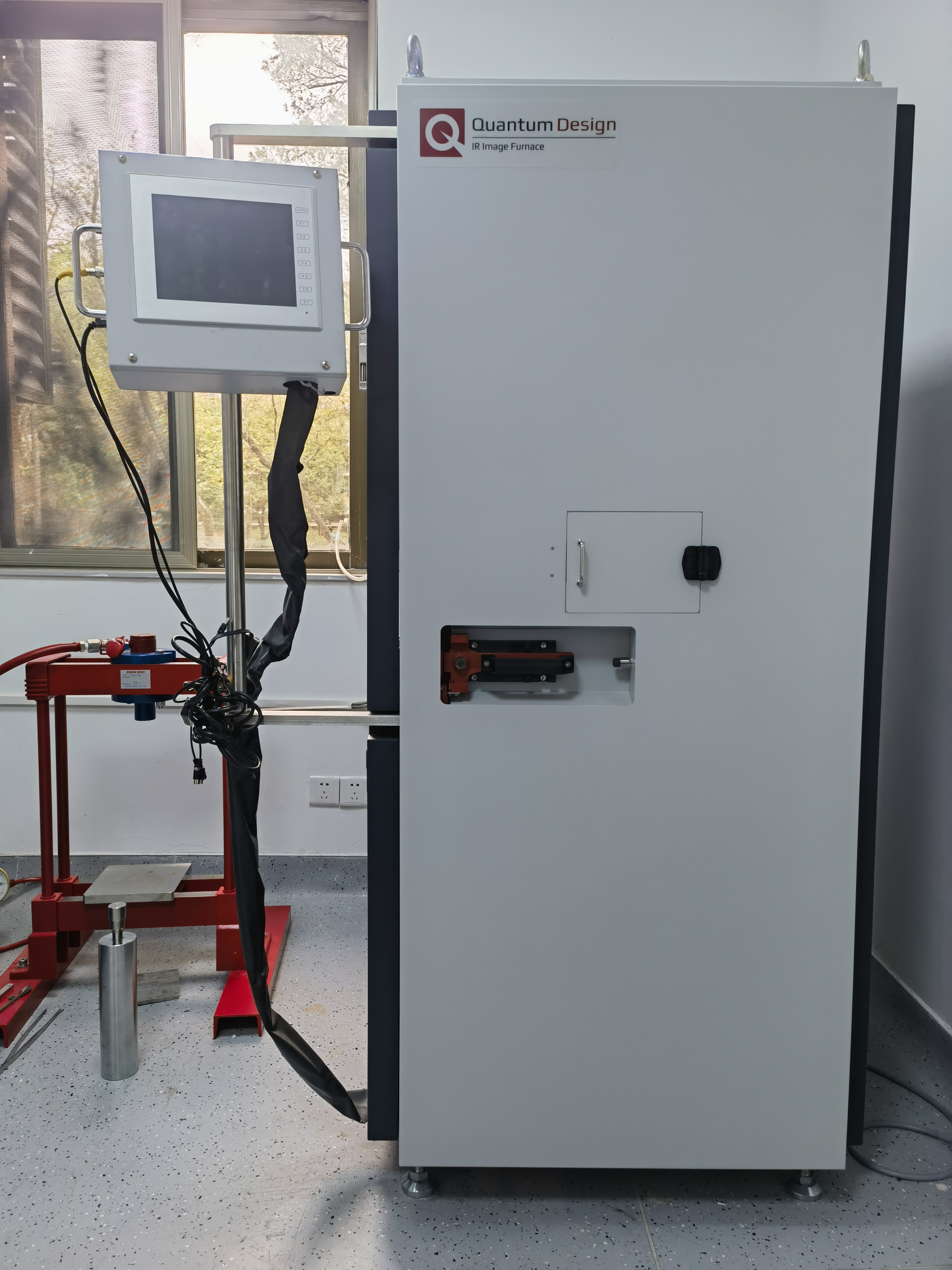
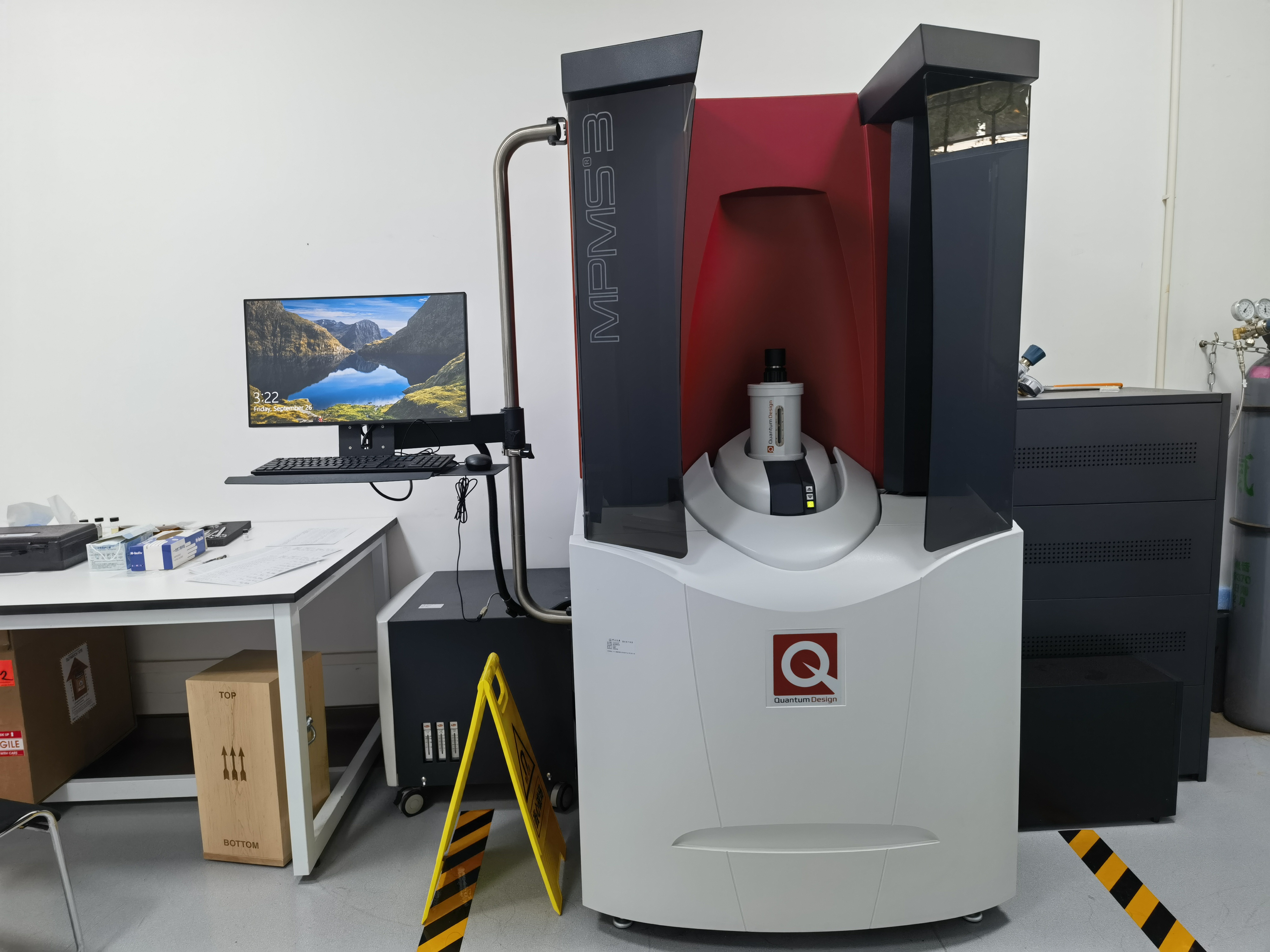
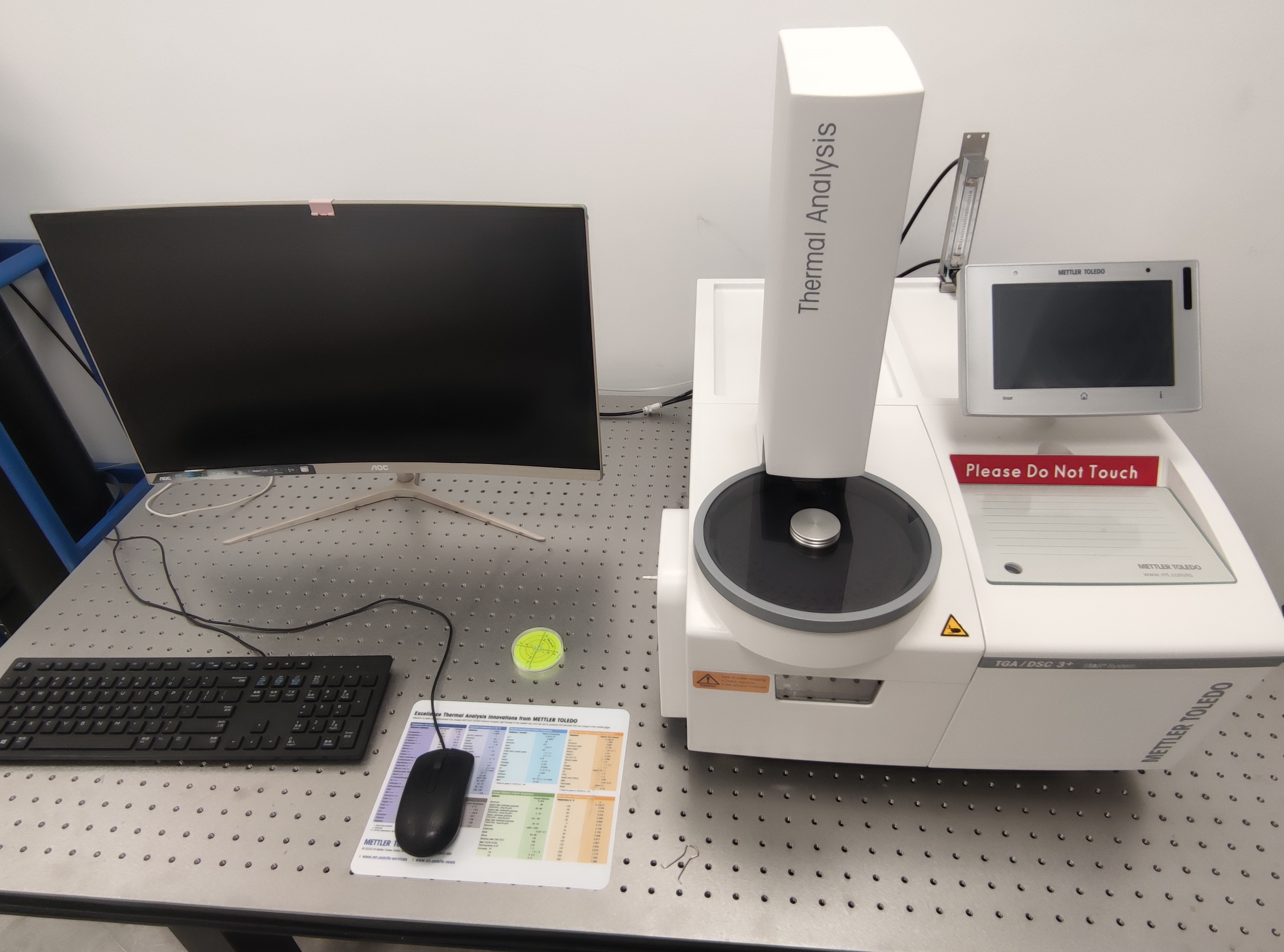
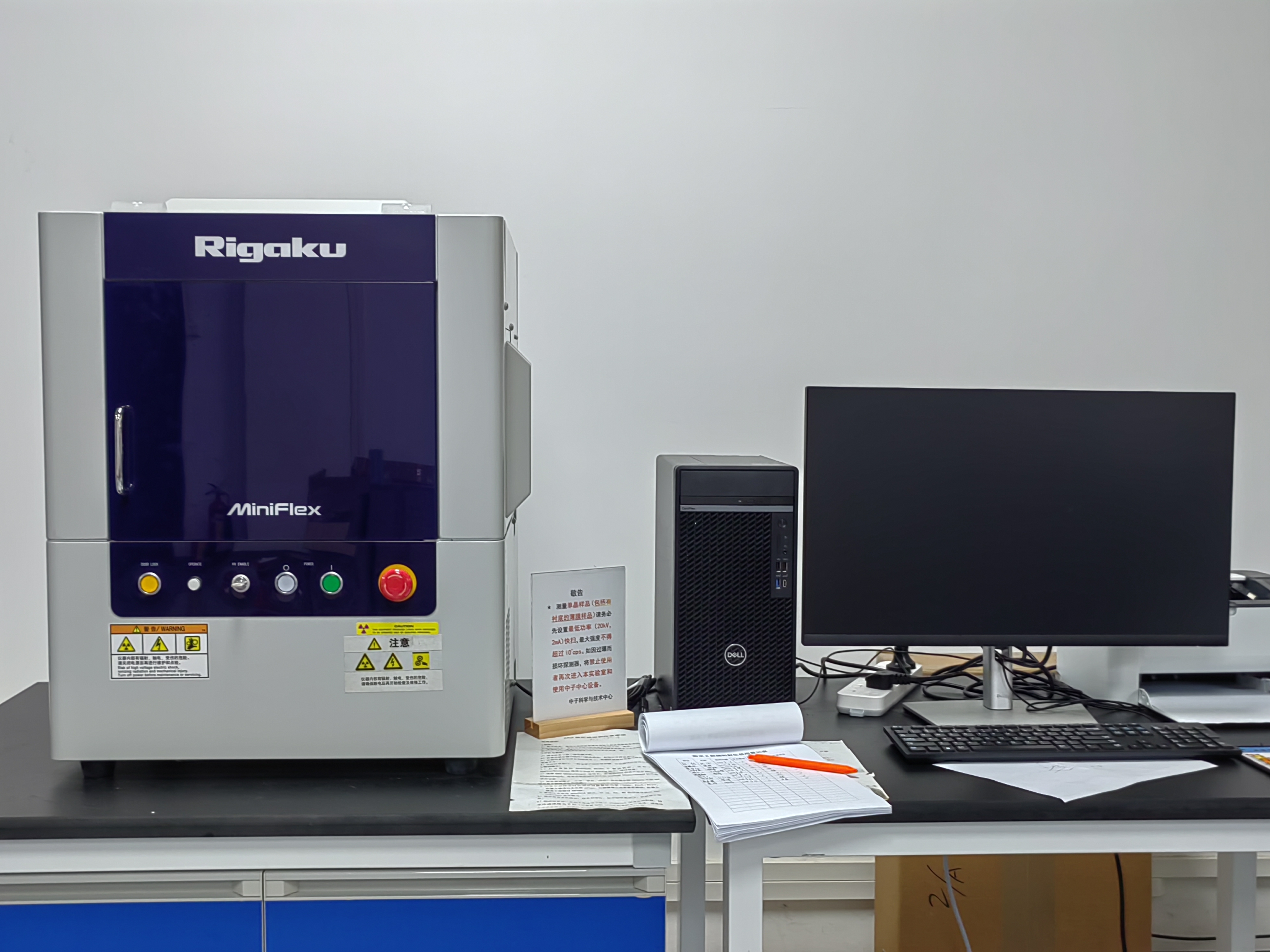
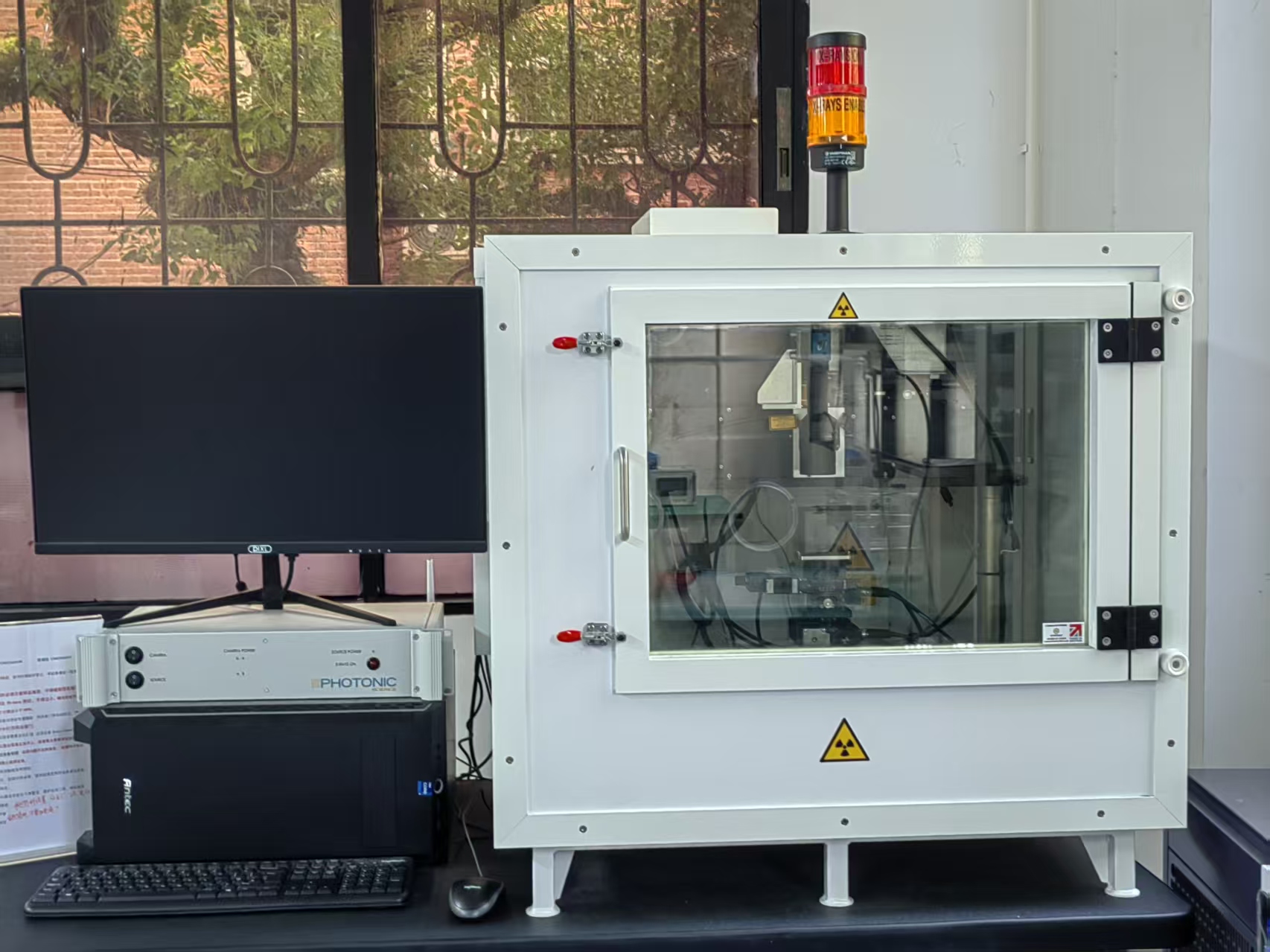
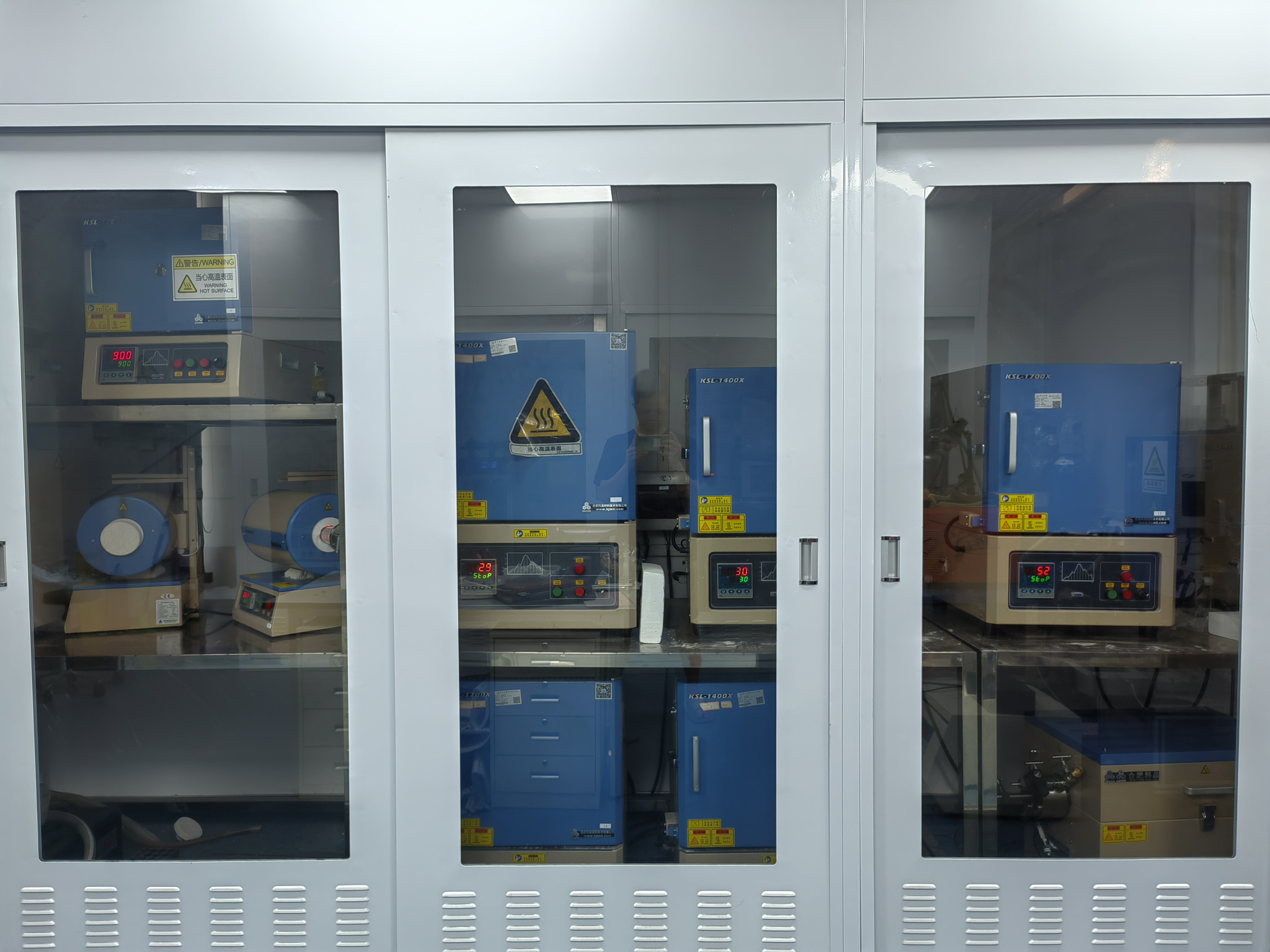
Equipments Overview

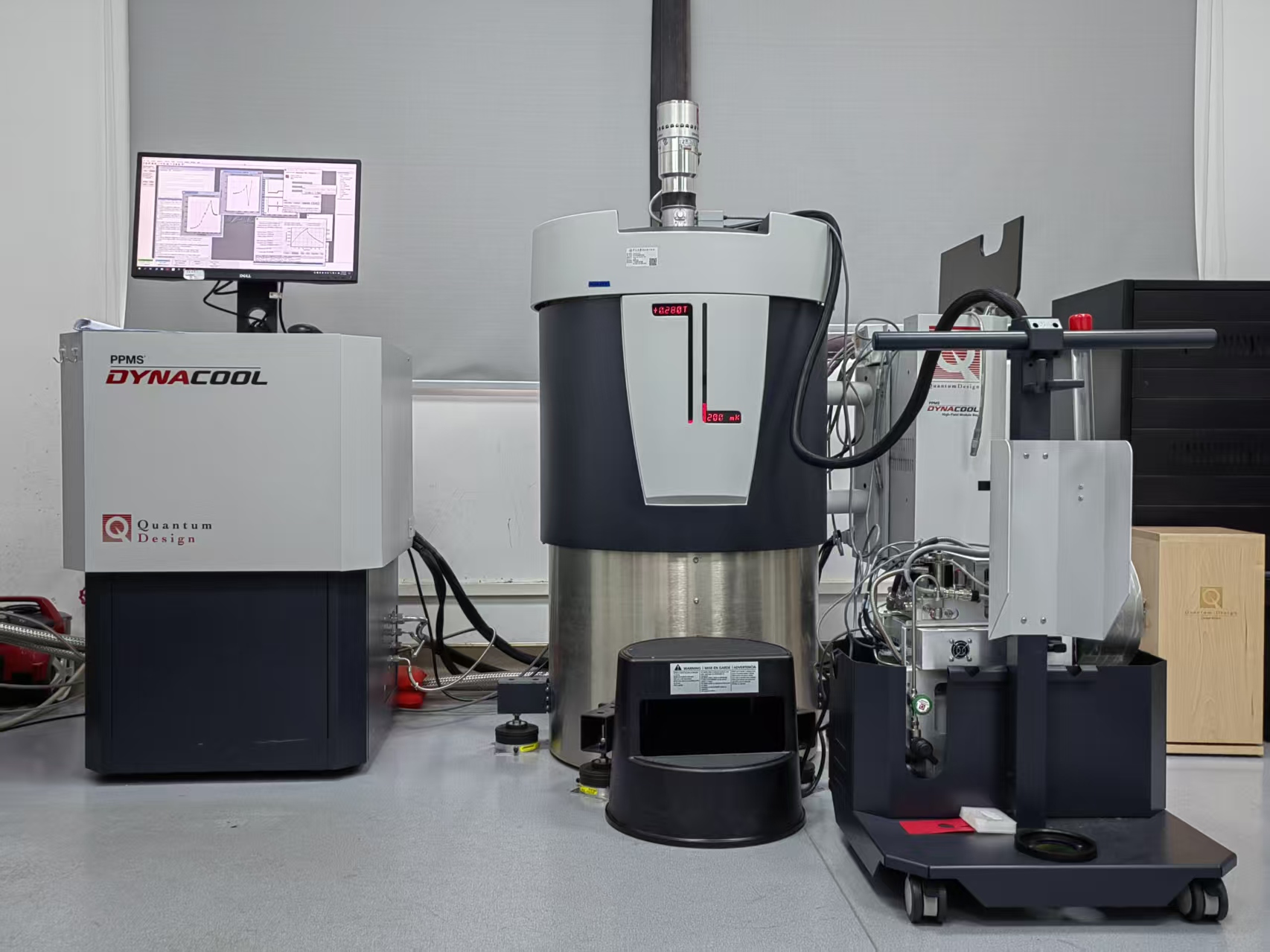
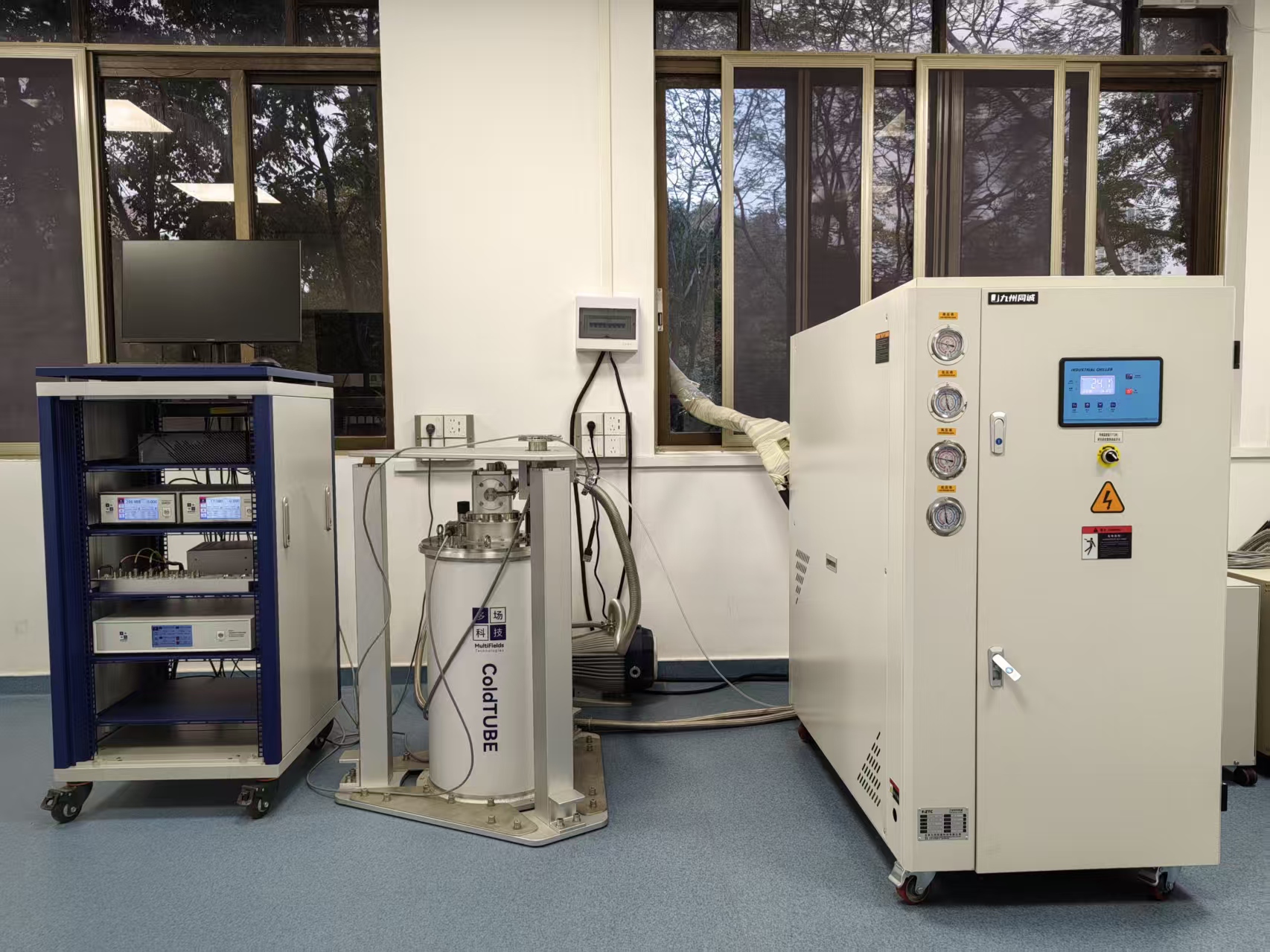
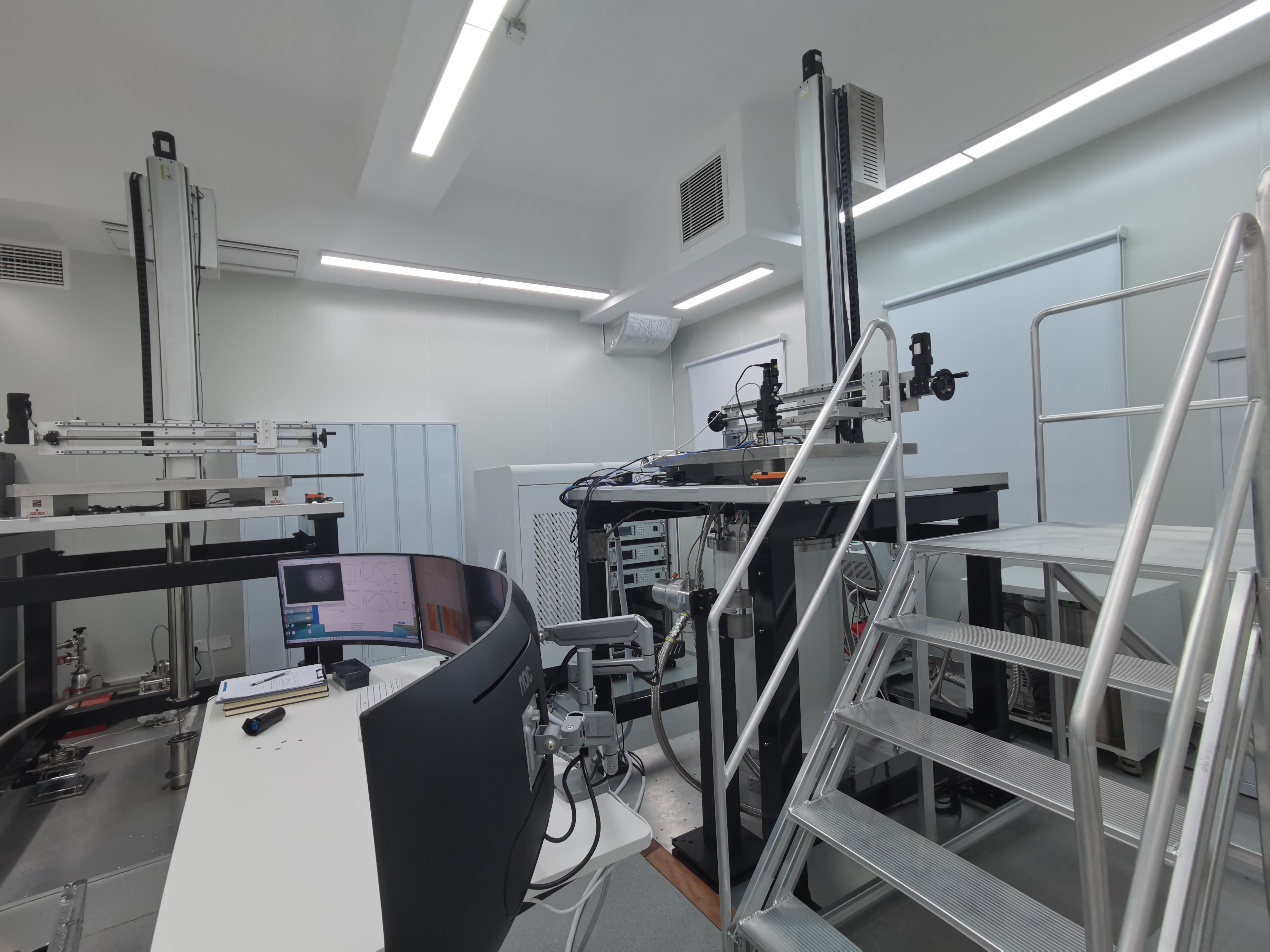
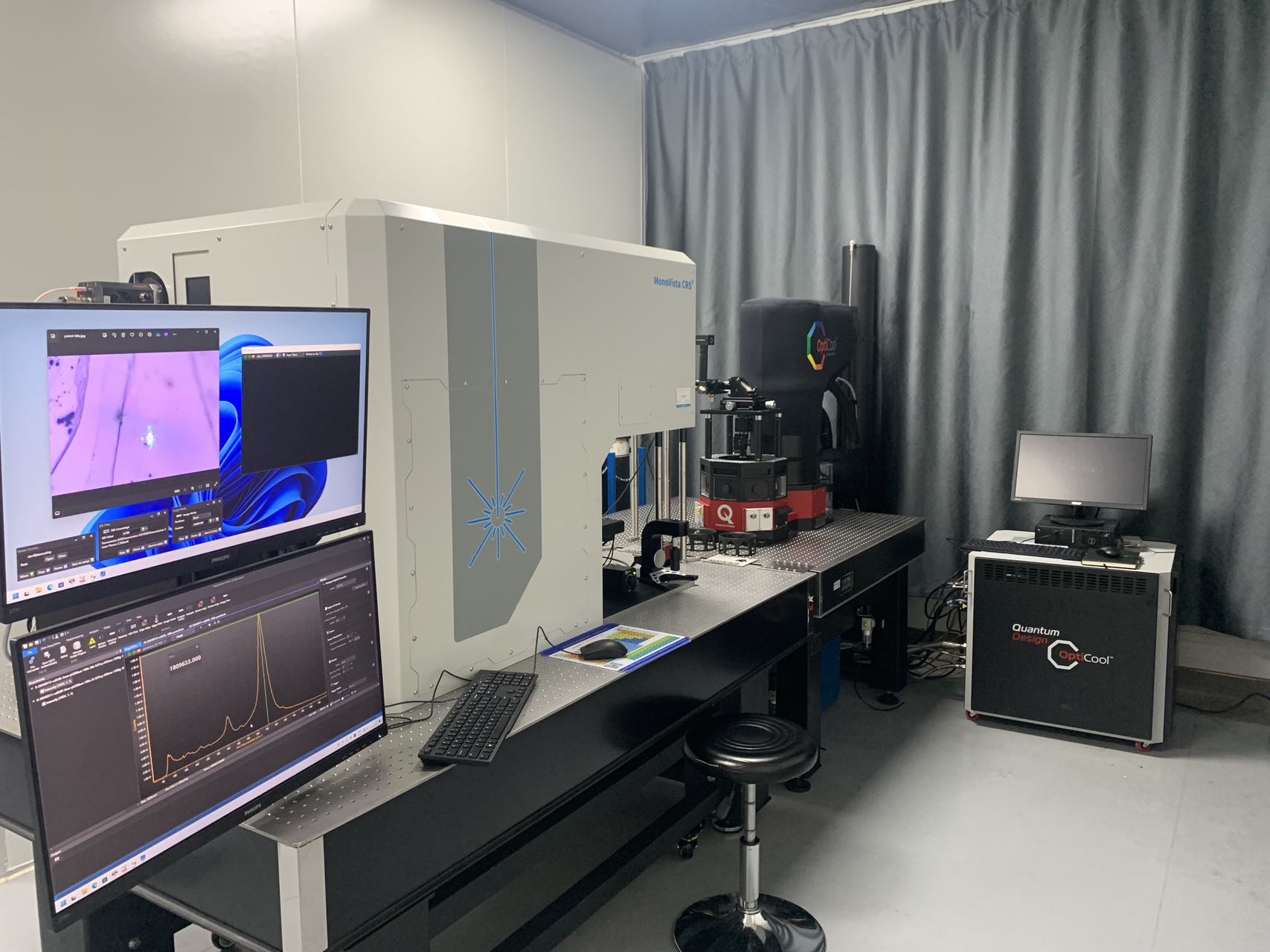
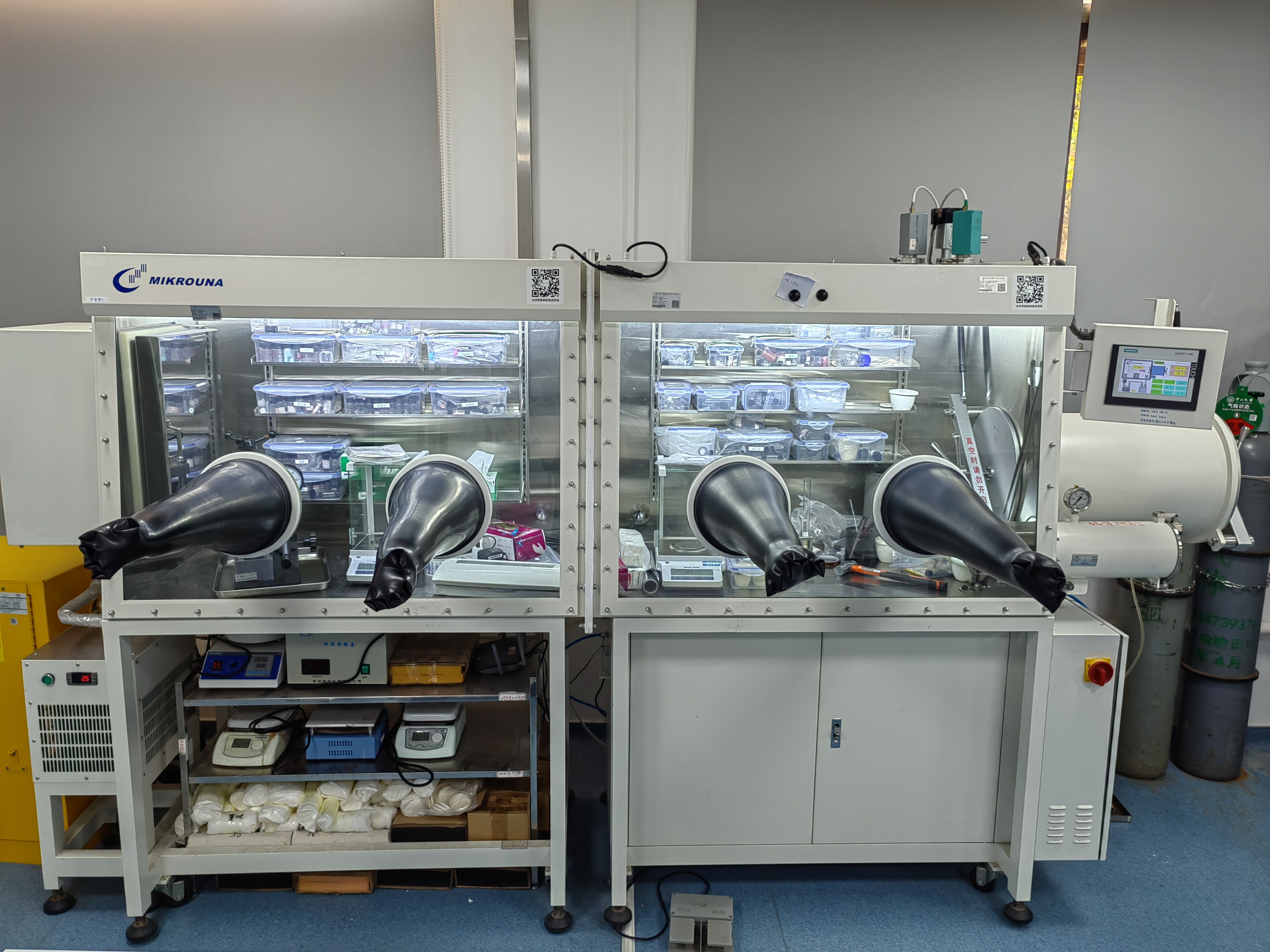
Techniques Introduction
Neutron scattering:
Neutron scattering is a spectroscopic technique in which neutrons serve as incident particles that interact with the sample. The properties of the material are deduced by analyzing the scattered neutrons. Owing to their electrical neutrality, spin-1/2 nature, appropriate de Broglie wavelength, and sensitivity to light elements, neutrons are extensively utilized across disciplines, including physics, chemistry, materials science, engineering, and biomedical research. Neutron scattering obeys the fundamental laws of momentum conservation and energy conservation. In condensed matter physics, neutron scattering experiments are primarily used to study the crystal and magnetic structures, lattice dynamics, and spin dynamics of materials, which are critical for advancing research in superconducting materials, quantum magnets, topological magnetism, clean energy, and thermoelectric materials.
High-Pressure technique:
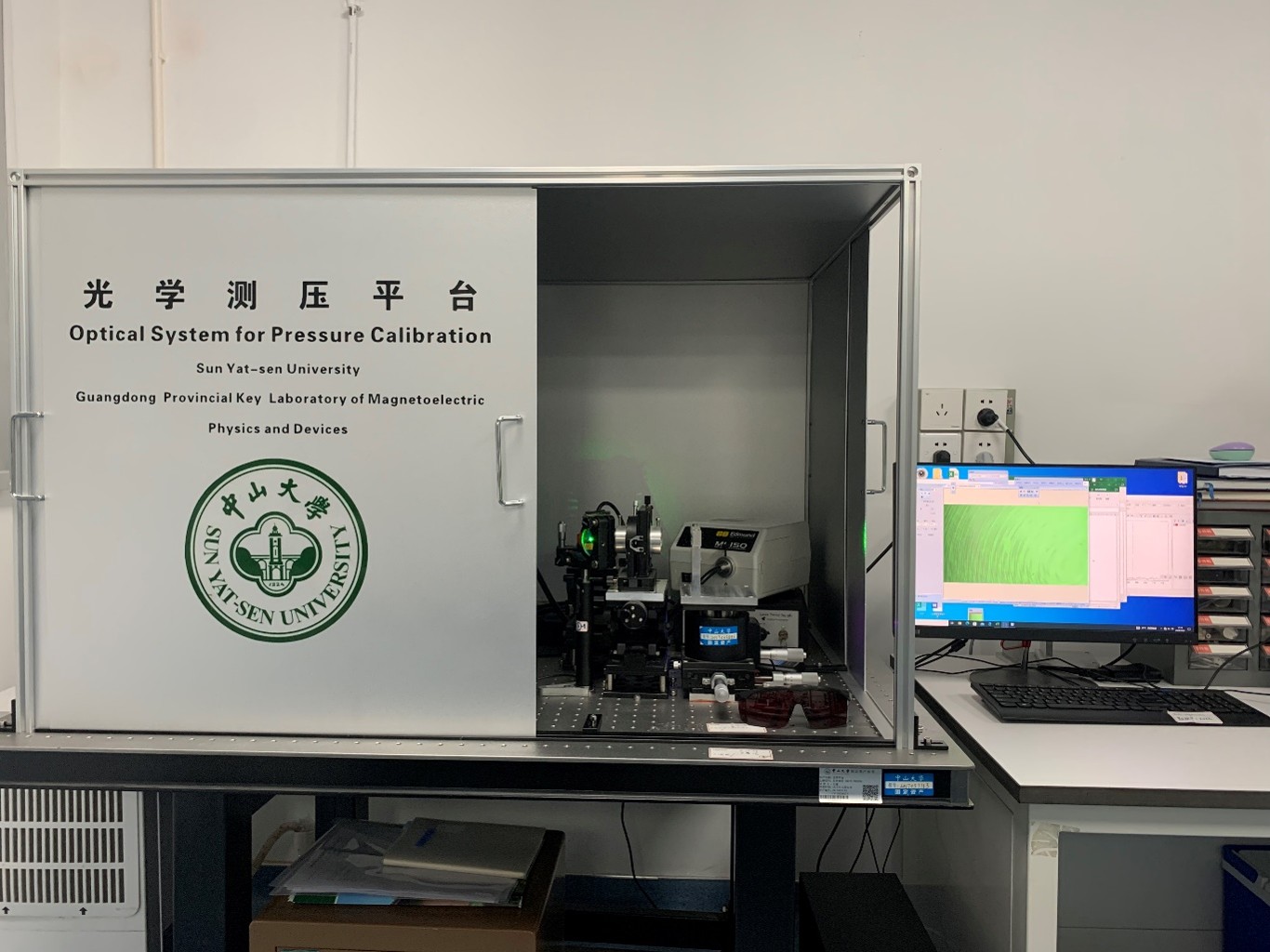
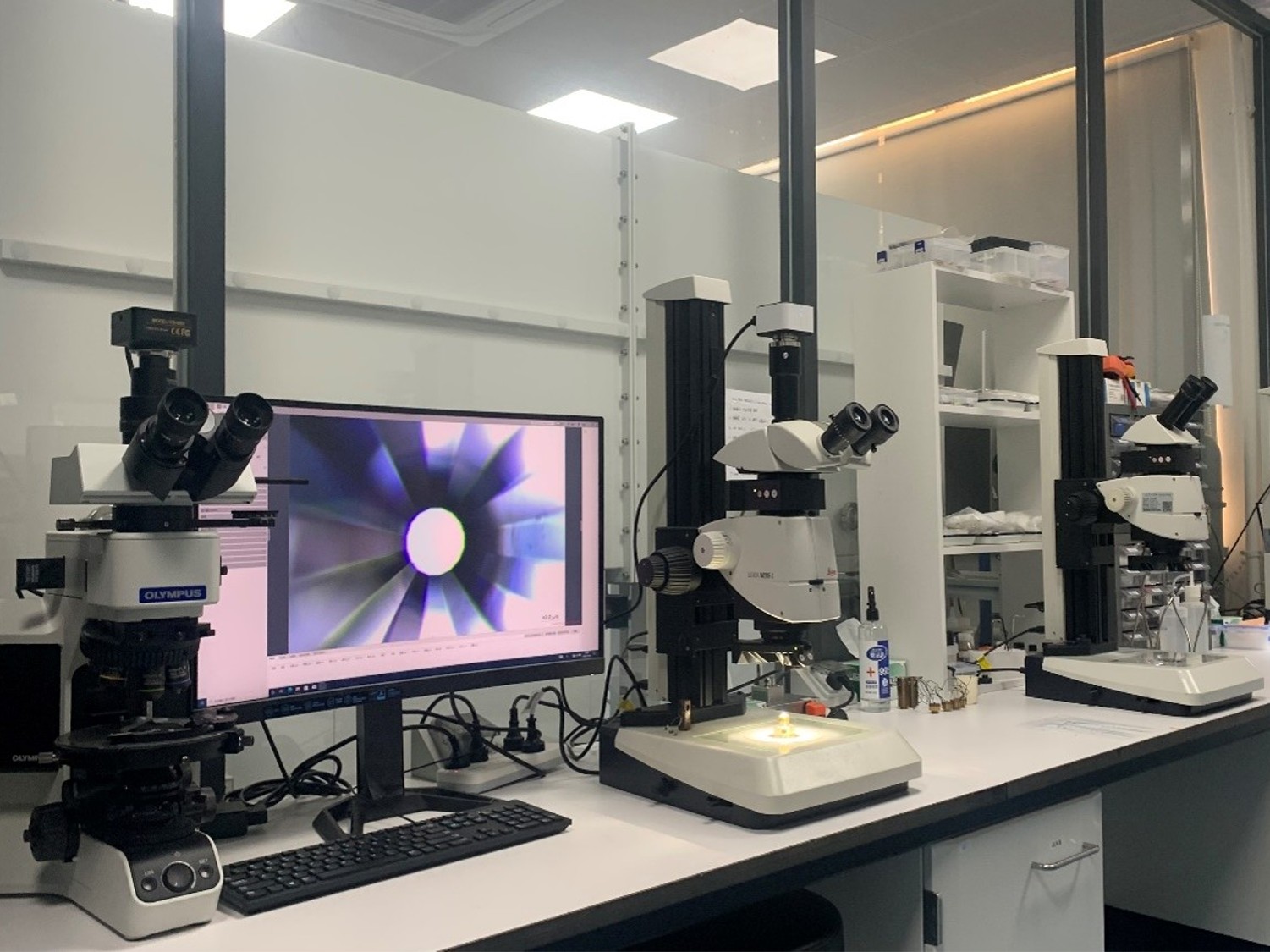
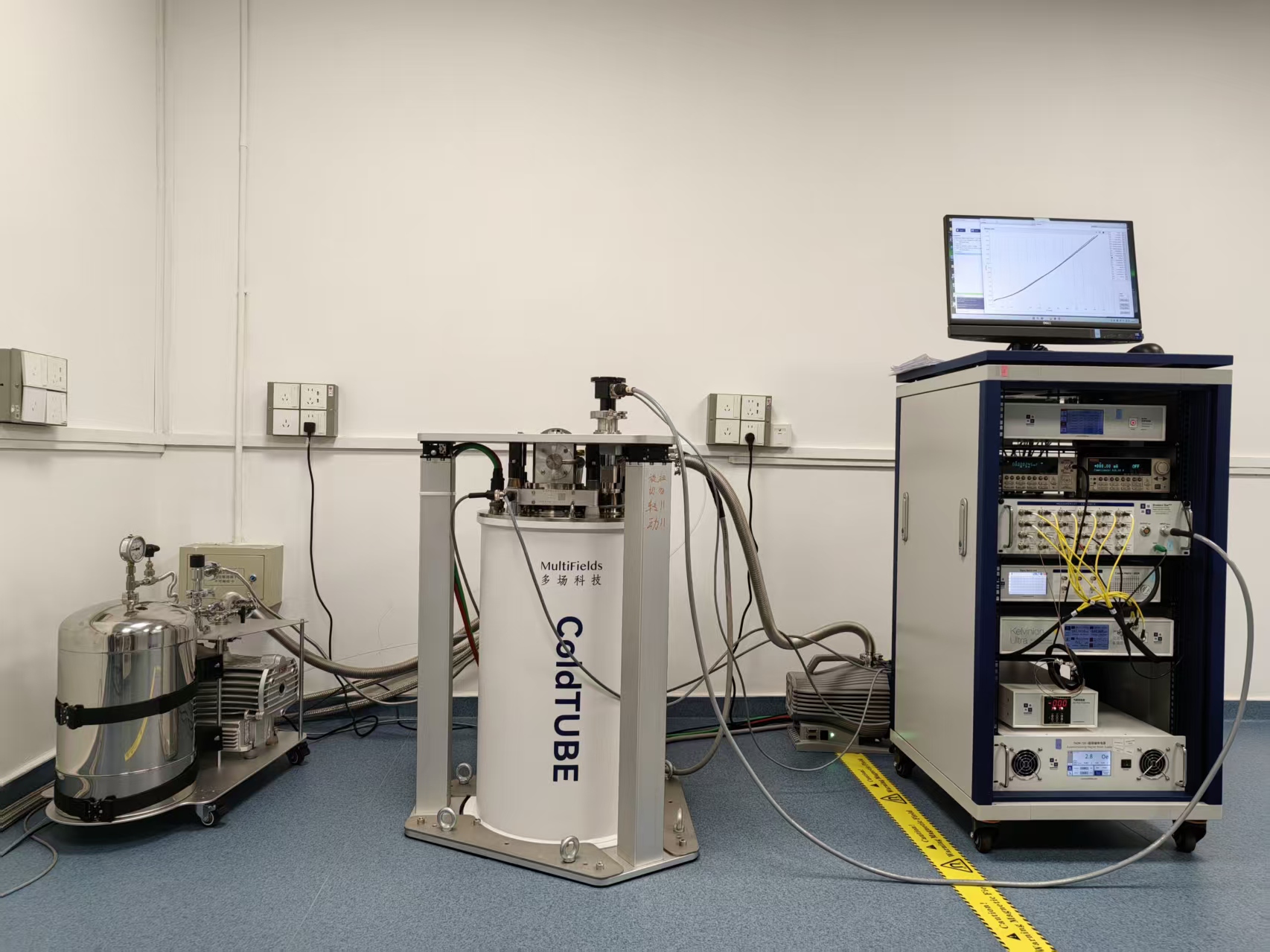
Our laboratory specializes in probing structural, electronic, and magnetic transitions in quantum materials under extreme conditions, including high pressure, low temperatures, and external electric/magnetic fields. We focus on strongly correlated electron systems, such as high-temperature superconductors, low-dimensional magnetic materials, and quantum magnetic materials.
Equipped with advanced high-pressure techniques, we can perform high-pressure electrical transport measurements, AC/DC magnetic susceptibility, X-ray diffraction (HP-XRD), and low-temperature Raman spectroscopy to systematically investigate material properties under compression. These methods allow us to explore structural stability, phase transitions, and electronic correlations across the chemical composition (x), pressure (P), and temperature (T) phase space. By integrating extreme conditions with precision measurements, we uncover novel quantum states, map phase diagrams, and reveal the underlying mechanisms that govern exotic material behaviors. These approaches enable the discovery of novel physical properties, emergent quantum states, and exotic quantum phenomena under extreme conditions, providing a crucial pathway for the exploration of new materials and the study of their fundamental properties.
Nanoscale Magnetometry and Quantum State Imaging via Nitrogen-Vacancy Centers:
Electron correlations, spin interactions, and emergent topology in quantum materials give rise to groundbreaking phenomena such as topological superconductivity, exotic magnetic orders, and quantum spin liquids. Our research harnesses atomic-scale defects in diamond—nitrogen-vacancy (NV) centers—as quantum-enabled nanoprobes for direct visualization of electronic states. We have pioneered scanning NV magnetometry techniques that integrate single-spin quantum sensors onto diamond scanning tips, achieving unprecedented < 10 nm spatial resolution at room temperature. These NV-on-tip (NVT) probes operate within 5–20 nm of sample surfaces, enabling simultaneous mapping of magnetic, electric, and local-temperature-gradient fields in correlated electron systems. This platform enables the study of dissipation mechanisms in topological edge currents, the dynamics of individual skyrmions, and nanoscale phase transitions in quantum materials with single-electron spin sensitivity.
Synchrotron-based X-ray scattering techniques:
Synchrotron-based X-ray scattering techniques, including resonant X-ray scattering, offer essential tools for studying layered samples. Compared to neutron scattering, synchrotron radiation provides key advantages in flux and spatial resolution, making it suitable for small crystals. By tuning X-ray energy—using soft X-rays (typically below keV) and hard X-rays (generally several keV and above)—further investigations into the spin ground state and magnetic excitation properties of layered samples can be conducted.